On April 17, 2025, a delegation from Xi'an International Medical Investment Co., Ltd. (International Medical), led by Vice President and Board Secretary Ding Zhen, visited SFS at iHarbour. SFS representatives included Chen Xiangjing, Dean of SFS; Cheng Bing, Vice Dean of SFS; and Ji Le, Director of the MTI Education Center.
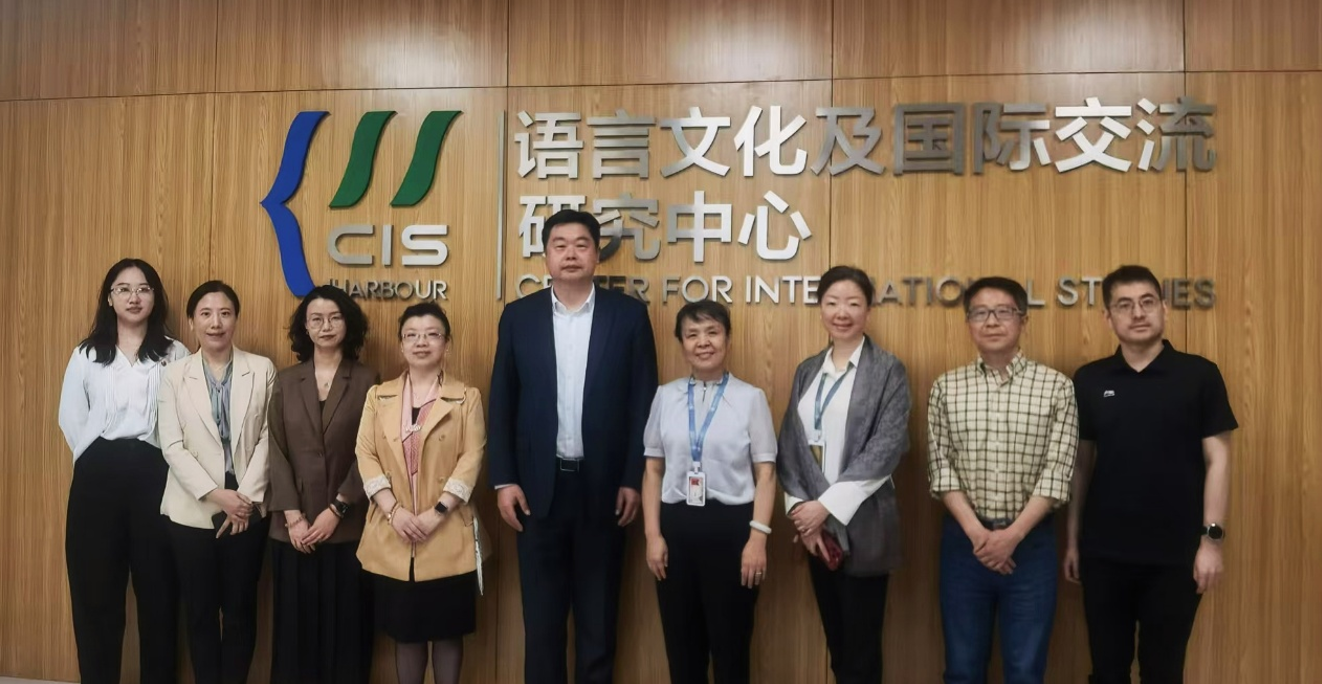
Chen Xiangjing welcomed the International Medical delegation, reviewed previous successful collaborations, and highlighted key areas for deepened cooperation: upgrading the industry-academia collaborative education model, interdisciplinary research in cognitive neurolinguistics and medicine, and international medical service collaboration. The goal is to create a model of synergistic innovation between university and medical enterprise.
Cheng Bing highlighted SFS's research strengths in medical English and language cognition. She also emphasized leveraging the "language research + clinical practice" synergy to conduct research on doctor-patient discourse analysis and language-based health communication, promoting the integration of language disciplines with the healthcare industry.
Ji Le proposed establishing a joint practical teaching base and a "dual-mentor system" to enhance industry-university collaboration. The goal is to cultivate interdisciplinary talents with linguistic proficiency and medical expertise through translation practice in real medical scenarios and in international medical project management training.
Ding Zhen emphasized the urgent need for "language + medicine" talents and proposed in-depth research collaboration in areas such as cross-border medical services and the joint development of talent cultivation bases to better align talent supply with industry needs.
After the meeting, Ding Zhen lectured on "Exploring How Internationalization Drives High-Quality Development in Medical Institutions". Drawing on his 30-year career, he analyzed China's medical industry policies, International Medical's development path, international practices, and future strategies. He emphasized the need for international talent in healthcare and encouraged students to embrace interdisciplinary approaches.
This exchange spurred further collaboration. The two sides will accelerate the signing of a cooperation framework agreement, advancing substantive collaboration in establishing university-level practice bases, forming joint medical language research teams, and providing professional medical translation services.


